
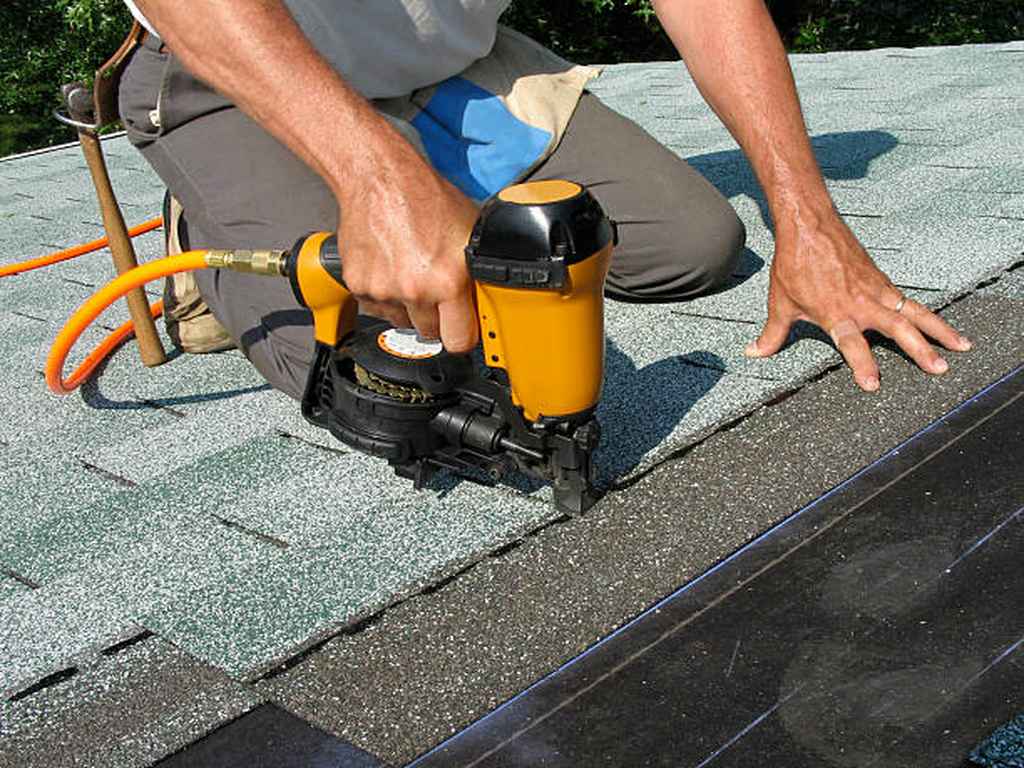
Yes. In Colorado Springs and Denver, roofs can be installed in every month of the year. Winter just needs the right days: dry, not too windy, and warm enough in the sun for shingles to start sealing. National Weather Service normals put the average January high near 45 degrees in both cities, and those sunny afternoons are workable. Summer brings its own planning, mostly around afternoon storms and soft, hot shingles. The season changes the weather plan, not the quality of the roof.
Season by season
| Season | What helps | What to plan for |
|---|---|---|
| Winter (Dec to Feb) | Open schedules; sunny days | Shingles seal slowly and need hand sealing at edges; snow must be off the roof; short days |
| Spring (Mar to May) | Warming days; good sealing | Wind and wet snow; schedules fill after the first hailstorms |
| Summer (Jun to Aug) | Fast sealing, long days | Afternoon thunderstorms, lightning, hot shingles that scuff; schedules are fullest after hail |
| Fall (Sep to Nov) | Mild days, crews catching up | Early snow; getting storm-damaged roofs done before winter |
Colorado Springs (NWS, 1991 to 2020 normals): average highs of 44.6 degrees in December, 45.0 in January, 46.5 in February and 54.9 in March, with lows of roughly 18 to 27 degrees. Denver: the National Weather Service’s normal January high is 44.6 degrees.
How we decide whether today is a roofing day

- Temperature and sun. For asphalt, the roof surface matters more than the air. A sunny 40-degree afternoon on a south slope can be fine; a cloudy, shaded day is not.
- Wind. Unsealed shingles and loose underlayment do not belong in a gale. High wind means rescheduling.
- Snow and ice. The deck has to be clear and dry. Even on a warm day, a roof still holding snow waits.
- Tomorrow’s forecast. We look at the day after, too. A crew should never leave a roof open into a storm.
- Crew safety. Bitter cold, ice and lightning stop work regardless of the material.
Why winter shingles look wavy at first and how they finish sealing is covered in installing asphalt shingles in the winter. Our winter roof installs page covers the PPRBD rules for a Colorado Springs winter reroof.
Material matters
- Asphalt shingles are the most temperature-sensitive. SBS modified shingles, such as Owens Corning’s Duration FLEX, stay more pliable in less-than-ideal conditions; see is a Class 4 shingle worth it?
- Metal has no sealant strip to activate, so cold mainly affects crews and underlayment. See metal roofs in Colorado Springs.
- Tile adds a dry-in inspection in PPRBD’s area before tile is stocked on the roof, so build that into the schedule.
- Ice and water membrane grips slowly in cold weather and is kept to a clean, dry deck.
Permits and storms change the calendar more than temperature
- Permits first. In PPRBD’s area, materials cannot be stocked before the permit is issued.
- After big hail, inspections and supplies back up. PPRBD does not offer same-day or next-day reroof inspections after a major storm.
- Insurance timelines keep running in winter. If a fall storm damaged your roof, there is no reason to wait for spring; a winter install keeps your repair, and any recoverable depreciation, moving.
Plan your roof now
Integrity Roofing and Painting is veteran-owned and family-run since 1990, an Owens Corning Platinum Preferred contractor with 650+ Google reviews, installing roofs in every season in Colorado Springs and Denver. For what the day itself looks like, see what to expect on install day. Call Colorado Springs at (719) 488-2800 or Denver at (303) 209-0152, or book a free inspection in Colorado Springs or Denver. We reach out the same business day.
Sources: National Weather Service Pueblo, Normals and Extremes, Colorado Springs; National Weather Service Denver/Boulder, Denver climate reports (1991 to 2020 normals); Pikes Peak Regional Building Department, Reroofing Guidelines and Hail and Disaster Information; Owens Corning, winter roof replacement.
