
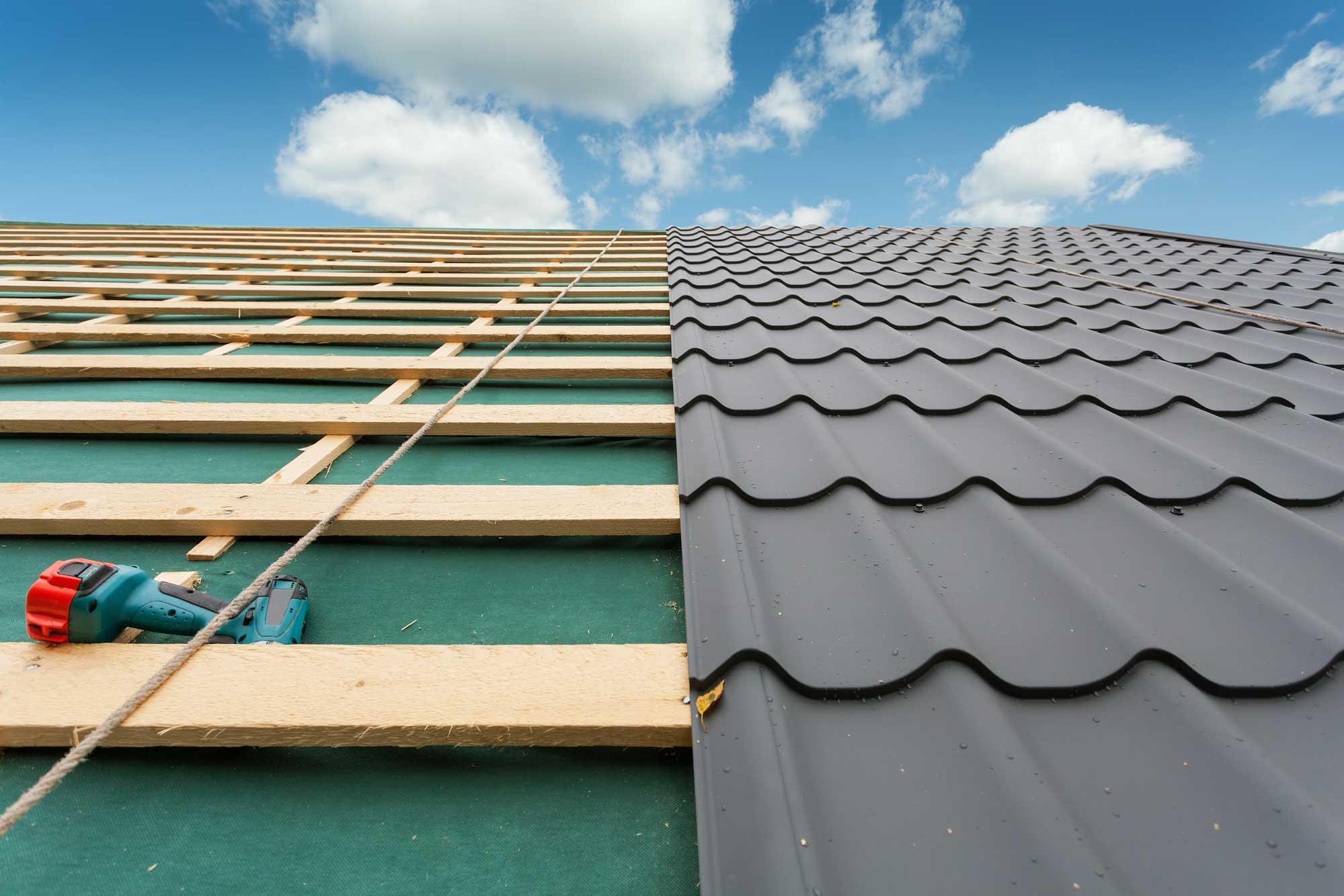
Colorado Springs homeowners still favor gable and hip roofs with architectural asphalt shingles, which fit the city’s ranches, two-stories and newer subdivisions and handle hail and wind well at a reasonable price. The fastest-growing upgrades are stone-coated steel in shake or tile profiles and standing seam metal, especially in the foothills and Black Forest. Low-slope and shed roofs show up on modern builds and additions, and tile stays common on Southwest-style and stucco homes. Whatever the style, PPRBD’s reroof rules on slope, ice barrier and fire rating shape what can go on it.
Roof shapes and how they handle this climate
| Shape | Where you see it | Wind | Snow | What to watch |
|---|---|---|---|---|
| Gable | Ranches, two-stories, older central neighborhoods | Good with well-fastened rakes | Sheds well | Gable-end rakes are where wind starts lifting shingles |
| Hip | Newer subdivisions, larger homes | Very good | Good | More hips and valleys means more flashing |
| Cross gable and complex | Custom and newer homes | Good | Valleys collect snow and ice | Ice barrier in every valley |
| Shed and low-slope | Modern builds, additions, porches | Varies | Slow drainage; ponding risk | Asphalt shingles not allowed below 2:12 |
| Mansard and gambrel | A few older homes and barns | Varies | Steep faces shed; flat tops hold snow | Two materials often meet; flashing matters |
Materials homeowners are choosing
| Material | Why it is popular here | Trade-offs |
|---|---|---|
| Architectural asphalt shingles | Most homes; good wind ratings, Class 4 options for hail | Hail still damages non-impact-rated shingles |
| Stone-coated steel (shake or tile look) | Light, Class A, long life, wood or tile look without wood | Higher price; see stone-coated steel |
| Standing seam metal | Clean modern look, sheds snow fast | Snow slides; plan snow guards above gutters and doors |
| Concrete and clay tile | Southwest and stucco homes | Weight; dry-in inspection; hail can crack tiles |
| Synthetic cedar | Shake look where real wood is not allowed | Product ratings vary; see synthetic vs natural cedar |

The PPRBD rules that shape every style
- Fire. One- and two-family homes in the City of Colorado Springs need at least a Class A roof covering, excluding solid wood roofing products.
- Slope. Asphalt shingles are not permitted below a 2:12 pitch.
- Ice barrier. Required above 7,000 feet of elevation, from the eave to at least 24 inches inside the exterior wall.
- Tear-off. All existing layers come off before new asphalt shingles.
- Tile. A dry-in inspection after underlayment, battens and flashing, before tile is stocked on the roof.
For pitch, see planning your roof’s slope; for the rest of the code, see our Colorado Springs roofing codes guide.
Picking a style for your house
Start with what the house already is: changing roof shape is a structural project, while changing material is a reroof. Most owners keep the shape and upgrade the material. Then choose a color that suits it; see popular roof colors in Colorado Springs. For how recent trends played out, read which 2023 roofing trends still make sense, and for the full component list behind any style, see what a roofing system includes.
Integrity Roofing and Painting is veteran-owned and family-run since 1990, an Owens Corning Platinum Preferred contractor with 650+ Google reviews. Call (719) 488-2800, book a free Colorado Springs roof inspection, or see residential roofing in Colorado Springs.
Sources: Pikes Peak Regional Building Department, Reroofing Guidelines (rev. 03/05/2024): Class A in the City of Colorado Springs, 2:12 minimum for asphalt shingles, ice barrier above 7,000 ft, tear-off, tile dry-in inspection.
Photos From Our Projects


