
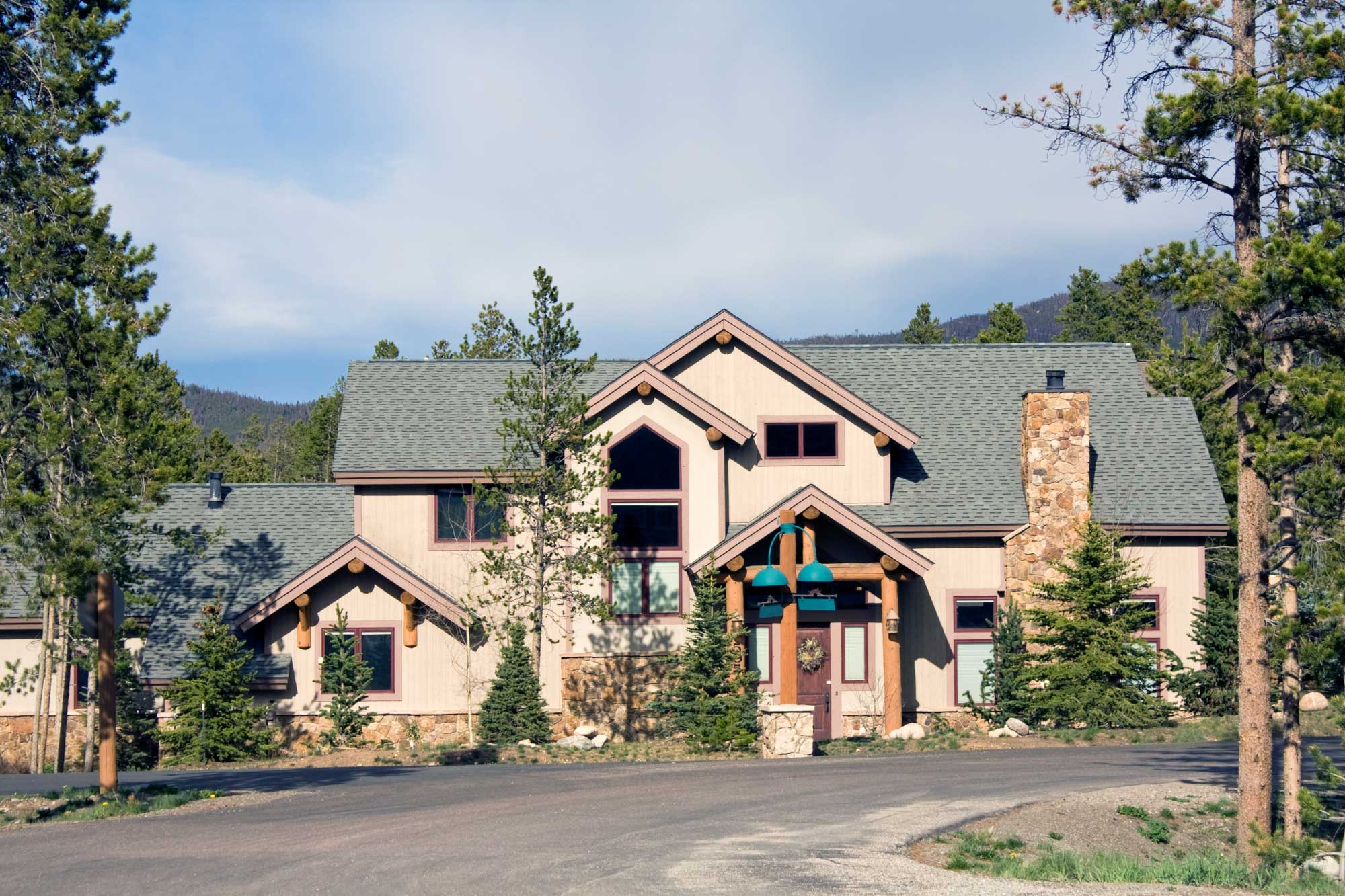
Before you choose a shingle, make five bigger decisions: how long you will own the home, what your HOA or covenants allow, how much hail and fire risk you want to buy down, whether insurance or your own budget is paying, and what the code requires at your address. Those answers narrow the material, the product line and the budget, and they keep you from paying for a 50-year roof on a house you will sell in five, or a bargain roof on a house you plan to keep.
1. How long will you own the home?
| Time in the home | What usually makes sense |
|---|---|
| Selling within about 5 years | A well-installed architectural shingle in a neutral color that fits the street; documentation for buyers |
| 5 to 15 years | A mid-tier line; consider impact resistance if your area sees hail often |
| Staying long term | Invest in the system: impact-resistant shingles or metal, upgraded ventilation, premium underlayment and flashing |
Whatever the timeline, workmanship matters as much as the product. A premium shingle with reused flashing still leaks.
2. What does your neighborhood and HOA allow?
Walk your street and look at roofs that have been replaced in the last few years. You will see what the HOA has approved, which colors age well in strong sun, and what fits the architecture. Then get your covenants and architectural approval form before you sign a contract. Many Colorado Springs subdivisions require approval of material and color in writing, and approval can take weeks. For color in particular, see how to choose a shingle color for a Colorado Springs home.
3. How much risk do you want to buy down?
The Colorado Division of Insurance calls hail “a common threat in our state” from spring into summer, and many El Paso County homes sit near grassland or forest. Two upgrades address those risks:
- Impact resistance. Class 4 shingles are built to resist hail better than standard shingles, and the Division of Insurance suggests asking your insurer what premium discounts or deductible savings hail-resistant roofs earn. Whether that pays off depends on your insurer and how long you stay; is a Class 4 roof worth it works through a real Colorado Springs neighborhood.
- Fire rating. Class A roofing is already required for homes inside the City of Colorado Springs.
For a material-by-material comparison, see which roofing materials hold up in Colorado.
4. Who is paying, and how?
If hail or wind damage is behind the project, the claim decides the covered scope and you decide on upgrades on top of it. The claim stays yours; we document the damage with photos and make sure nothing gets missed in the scope. If you are paying out of pocket, decide your budget range before the inspection so we can show Good, Better and Best options inside it. Financing is available if spreading the cost helps.
5. What does the code require at your address?
PPRBD rules shape every Colorado Springs reroof: a permit pulled before materials arrive, full tear-off before new asphalt shingles, drip edge at eaves and rakes, Class A roofing inside the city, and an ice barrier on homes above 7,000 feet. Those items belong in every bid, which makes bids easier to compare.
Next steps
If you have not decided whether the roof needs replacing at all, start with how to tell it is time to replace a roof, then read what you actually gain from a new roof. Building or adding on rather than replacing? See roof decisions for a new house. And if a previous roofer let you down, what to do when a contractor messes up covers your options.
Integrity Roofing and Painting is veteran-owned and family-run since 1990, and an Owens Corning Platinum Preferred contractor with 650+ Google reviews. Call (719) 488-2800 or book a free inspection and we will walk through these five questions with you on site. We respond the same business day. More on residential roofing in Colorado Springs.
Sources: PPRBD Reroofing Guidelines (rev. 03/05/2024); Colorado Division of Insurance hail advisory (May 22, 2024); Colorado Division of Insurance consumer advisory (May 31, 2024).
