
Key numbers
45 verified hail storms with stones of 1.75 inches or larger reached Denver County from 1984 to 2026 in the storm records we keep; the largest measured 4.5 inches (softball size) on July 13, 2011 (NOAA NCEI).
| Hail storms by decade, 1984 to 2026 | 1980s: 1, 1990s: 4, 2000s: 12, 2010s: 17, 2020s: 11 Source: Storm library: Denver metro hail history |
|---|---|
| Largest hail | 4.5 in. (softball), July 13, 2011 Source: NOAA NCEI |
| Costliest hail storm | $2.3 billion insured losses (2017 dollars), May 8, 2017 Source: RMIIA |
| $625 million | The costliest hailstorm in Colorado history as of about 2016 was the July 11, 1990 Denver metro storm, with $625 million in insured losses (over $1 billion in today's dollars at the time). Source: Denver7 (KMGH), citing Rocky Mountain Insurance Information Association, 1990 |
| 40 | The NSF-funded ICECHIP field campaign (2025) is the largest U.S. hail study in 40 years, with about 100 researchers. Source: CU Boulder Today (University of Colorado Boulder), 2025 |
| $82 to $387 | The Colorado Division of Insurance estimates hail mitigation could save homeowners an average of $82 to $387 per year on insurance. Source: Colorado House Democrats, 2026 |
A storm counts when the library lists Denver County among the areas it hit. Each hail size is the storm's largest report, which may have fallen in a neighboring county, and insured losses cover every area the storm hit.
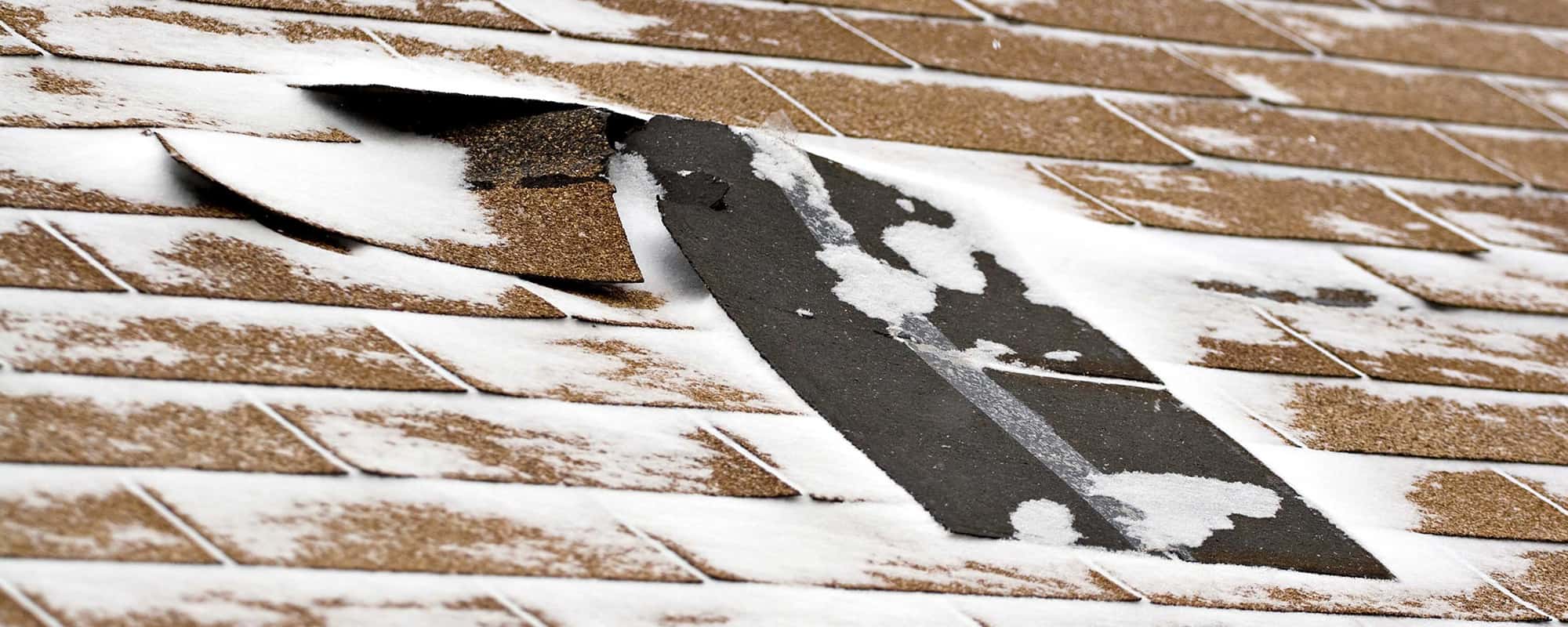
On May 8, 2017, a severe thunderstorm dropped hail up to baseball size on the west side of the Denver metro. The National Weather Service (NWS) in Boulder reported that Golden, Lakewood, Wheat Ridge and northwest Denver took the brunt of it, with dented cars, shattered windows and considerable roof damage. NOAA lists the storm, combined with severe weather in the central U.S. through May 11, among its billion-dollar disasters, at $3.35 billion in losses at the time.
What the record shows
| Detail | What the source says |
|---|---|
| Date | Monday, May 8, 2017 |
| Hardest hit | Golden, Lakewood, Wheat Ridge, northwest Denver (NWS Boulder) |
| Largest hail | Up to baseball size, about 2 3/4 inches (NWS) |
| Damage | Dented cars, shattered windows, considerable roof damage (NWS Boulder) |
| Losses | $3.35 billion for the May 8 to 11 event, about $4.3 billion adjusted for inflation (NOAA NCEI) |
For context, NOAA’s list includes other Colorado hailstorms in the billion-dollar range, such as July 20, 2009 and June 18 to 19, 2018. Our Denver hail guide has the fuller list.
What we saw in the days after
When we first wrote this page, the morning after the storm, the urgent calls were about broken skylights and holes letting rain in, and Denver roofers were already overloaded. The pattern repeats after every big Front Range storm:
- Openings first. Skylights, vents and badly broken areas need cover before the next rain. That is a job for a roofer with fall protection, not a homeowner on a wet roof.
- A wave of door knockers. Some are local companies, some are out-of-state crews that leave when the claims dry up. Our Highlands Ranch hail guide covers how to handle them.
- Long waits. Roofers, adjusters and inspectors all back up. Get on a list early, but do not sign the first contract offered.
- Bigger repairs than expected. On many roofs the damage runs across every slope, and Denver allows partial roof replacement only where it ends at a natural edge, not partway up a slope.
Lessons that still apply
- Know your roof before the storm. Photos of the roof in good condition make a later claim simpler.
- Upgrade when you replace. If your roof is due, a Class 4 impact-rated shingle costs only the difference in material; see the Class 4 shingle comparison.
- Check the contract. Colorado requires a written roofing contract with the scope, approximate cost and dates, the roofer’s address and insurer, and a 72-hour right to cancel if the claim is denied.
- Keep the claim yours. Roofers in Colorado may not act as public adjusters. Our part is documenting every impact so nothing gets missed in the scope.
- Mind the permit. In Denver, repairs over 10 percent of the roof or two squares need a permit; see Denver roofing codes.
If hail hits again, see hail damage roof repair in Denver, which also covers the May 30, 2024 storm in the northern and eastern metro, or roof replacement.
Integrity Roofing and Painting is veteran-owned and family-run since 1990, an Owens Corning Platinum Preferred contractor with 650+ Google reviews, with a Denver-area office in Centennial. Call (303) 209-0152 or book a free Denver roof inspection; we reach out the same business day.
Sources: NWS Denver/Boulder, May 8, 2017 severe weather report; NOAA NCEI, Billion-Dollar Weather and Climate Disasters (1980 to 2024 data); NWS, hail size reference; City and County of Denver, Roofing Guide and Checklist (updated 4/11/2024); C.R.S. 6-22-103, 6-22-104 and 6-22-105 (unofficial reproduction).
