
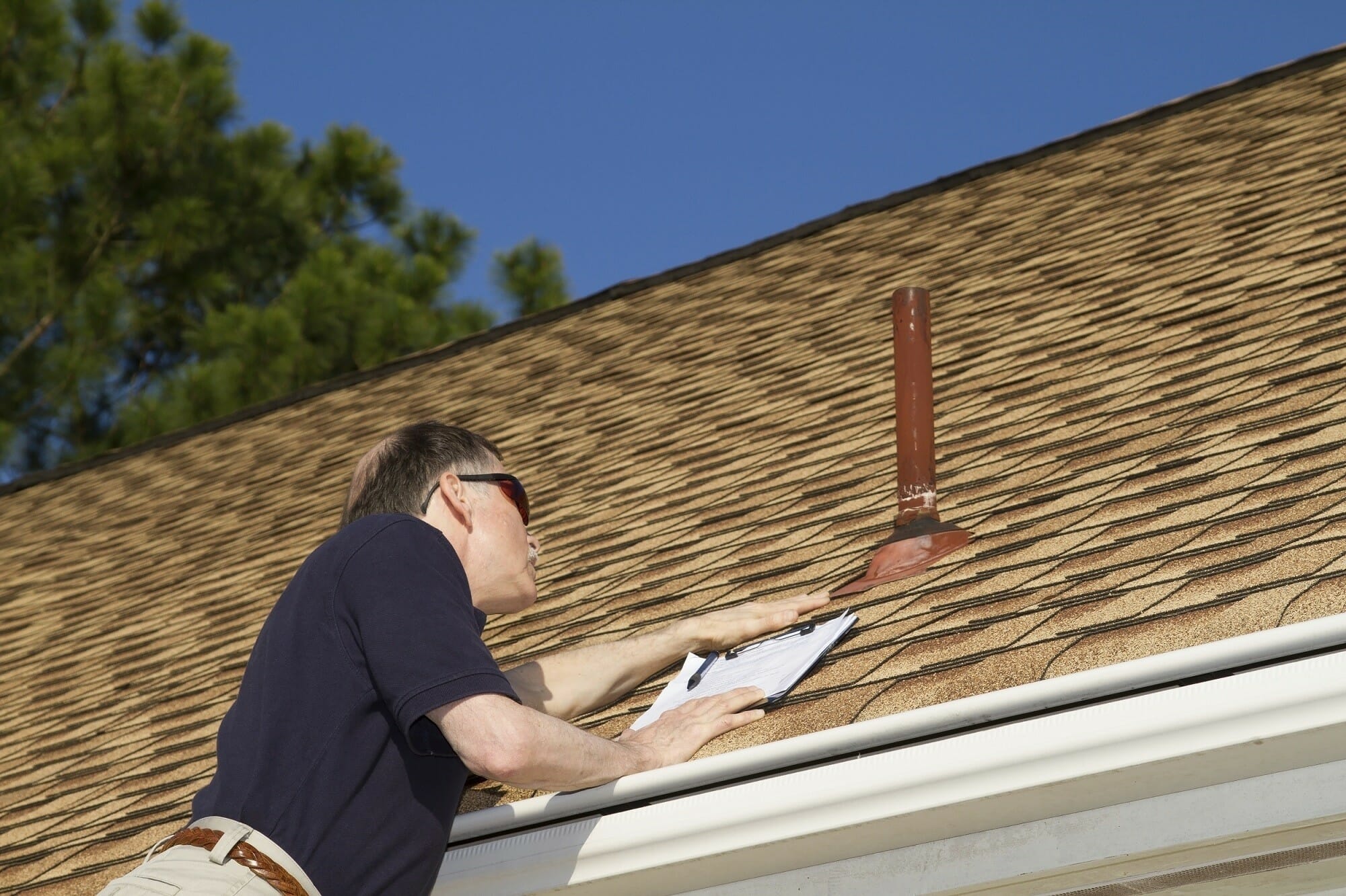
Have a Denver roof inspected once a year as routine, after every hail or high-wind storm, and whenever you buy or sell a home. Annual checks catch the small things (a cracked pipe boot, a lifted shingle, loose flashing) while they are cheap repairs. The storm checks matter even more here, because hail and wind damage is not always visible from the ground and insurance policies set deadlines for reporting a loss.
Why Denver roofs need more than a glance
Denver’s climate works on a roof from every direction:
- Hail. Spring and summer storms bruise shingles in ways you cannot see from the yard. Our Denver hail guide covers what hail does to a roof here.
- Wind. Denver’s code sets minimum shingle wind ratings by zone: 115 mph east of Federal Boulevard, 125 mph from Federal to Sheridan, and 140 mph from Sheridan to Kipling. The closer to the foothills, the harder the wind.
- Snow and freeze-thaw. Winters bring repeated snowfall and melting, which tests every seam, boot and flashing joint.
- Sun. Strong UV at elevation dries out sealants and rubber boots and fades shingles over time.

A simple inspection schedule
| When | Who | What it catches |
|---|---|---|
| Once a year (spring or fall) | Roofing contractor | Worn boots, loose flashing, lifted shingles, gutter problems, attic moisture |
| After hail or high wind | Roofing contractor | Bruised or missing shingles, dented metal, broken skylights; documentation for a claim |
| After heavy snow or a big thaw | You, from inside | Ceiling stains, attic damp or frost |
| Every few months | You, from the ground | Missing shingles, sagging gutters, debris in valleys |
| Buying or selling | Roofing contractor | Remaining life, needed repairs, surprises before closing |
If you only do one check a year, make it the fall one; why a pre-winter inspection matters in Denver explains what it looks for before the snow.
What a professional inspection includes
On a free inspection with us, your representative looks at:
- Roof surface: shingle condition, granule loss, hail and wind marks, nail pops.
- Flashing: chimneys, walls, skylights, valleys and kick-outs at the bottom of wall flashing.
- Penetrations: pipe boots, exhaust vents and the storm collar on furnace or water heater B-vents.
- Edges and gutters: drip edge, fascia, gutter pitch and downspouts.
- Attic: insulation, ventilation, stains, frost or damp decking.
- Low-slope sections: porches and additions with flat roofs, where drains and seams fail first. Flat roofs work differently; see how home and commercial roofs differ.
You get photos of everything and an honest assessment. If the roof needs nothing, we tell you that. When there is a problem, our guide to signs a roof needs repair explains what each finding usually means, and the best time for roof repairs explains how we schedule the fix.
Not sure what an inspection finding means? Each of these has a plain-language guide in our roof problems guide:
- Leaks at details: cracked pipe boots, chimney flashing, skylights, valleys, step flashing along walls and missing kickout flashing, plus roof vents, satellite mounts, solar attachments and cracked chimney crowns.
- Shingle findings: nail pops, granule loss and blistering, as well as creased or unsealed tabs, high nailing, a missing starter strip, split shingles, buckled shingles, ridge cap damage, algae and moss and extra shingle layers.
- Attic findings: frost and condensation and exhaust fans vented into the attic, plus swollen or buckled decking.
- Edges and low slopes: rotted fascia and missing drip edge, overflowing gutters and ponding on flat sections, shingles on porch roofs that are too flat, membrane seam failure and modified bitumen lap failure.
We also note what we see on the walls below the roof. Our exterior problems guide explains those findings:
- Siding: hail-cracked vinyl, hail on fiber cement and wood, water behind siding, fiber cement clearance and caulk and rotted trim.
- Gutters: ice in gutters and gutters pulling away.
- Paint: peeling and blistering, chalking and fading and mildew.
- Other walls and openings: stucco cracks, window flashing leaks and deck ledger leaks.
Inspections and insurance
If an inspection finds storm damage, the decision to file is yours, and so is the claim. We provide dated photos and make sure nothing gets missed in the scope. A record of yearly inspections also helps show that damage came from a specific storm rather than age.
Integrity Roofing and Painting is veteran-owned and family-run since 1990, an Owens Corning Platinum Preferred contractor with 650+ Google reviews and a Denver-area office in Centennial. Call (303) 209-0152 or book a free Denver roof inspection; we respond the same business day. Repairs go to our Denver roof repair crews.
Between professional inspections, our printable spring and fall roof maintenance checklist covers what you can check yourself.
Sources: City and County of Denver, Roofing Guide and Checklist (updated 4/11/2024).
