
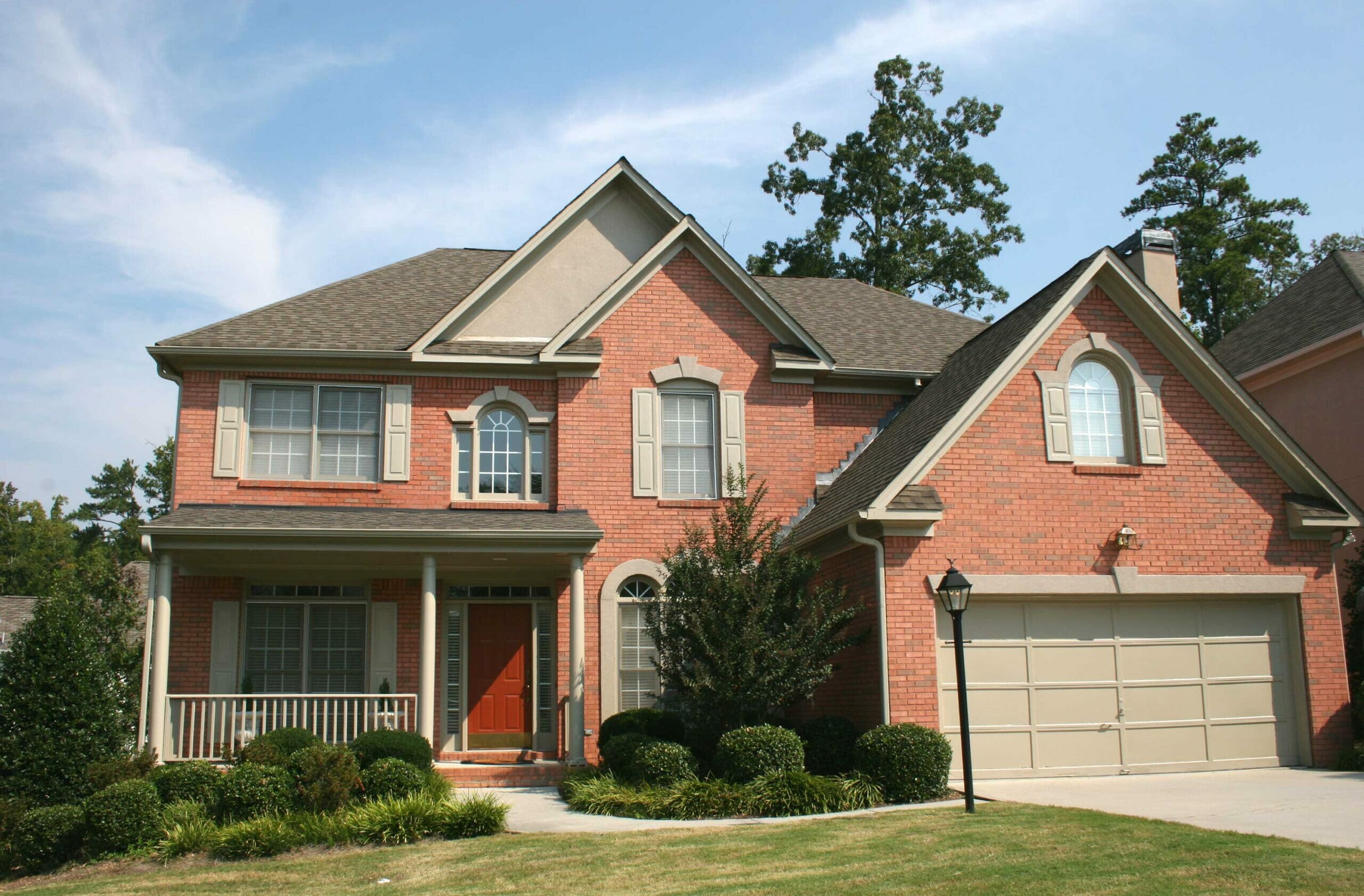
The roofing materials that hold up best in Colorado are impact-resistant (Class 4) asphalt shingles and metal, including standing seam and stone-coated steel, because hail and wind are the main threats on the Front Range. Standard architectural shingles remain the most common and affordable choice. Concrete and clay tile and slate last a long time but are heavy and need the framing checked. Wood shakes are restricted in more places every year because of wildfire rules. Whatever you choose, the local code (snow, wind, fire rating, ice barrier) shapes how it must be installed.
Materials compared for Colorado conditions
| Material | Hail | Wind | Snow and ice | Fire | Weight | Notes |
|---|---|---|---|---|---|---|
| Architectural asphalt shingles | Fair | Good with the right rating | Good with eave protection | Class A | Light | Most common and lowest cost |
| Class 4 impact-resistant shingles | Better | Good to very good | Good | Class A | Light | Owens Corning Duration FLEX carries a UL 2218 Class 4 rating |
| Standing seam metal | Very good; may dent | Very good | Sheds snow; needs snow guards over entries | Class A assemblies available | Light | Long life, modern look |
| Stone-coated steel | Very good | Very good | Good | Class A assemblies available | Light | Shake or tile look without the weight |
| Concrete or clay tile | Can crack | Good when fastened | Good | Class A | Heavy | Framing check; dry-in inspection |
| Slate | Can crack | Good | Good | Class A | Very heavy | Specialist install |
| Wood shake | Fair | Fair | Fair | Not Class A without treatment | Light | Restricted in many areas |

Colorado factors, and the code behind them
Hail. The Colorado Division of Insurance calls hail a common threat in the state from spring into summer and suggests asking your insurer about discounts or deductible savings for hail-resistant roofs. For a neighborhood example, see is a Class 4 roof worth it.
Wind. Denver requires shingles rated to 115 mph east of Federal Boulevard, 125 mph from Federal to Sheridan and 140 mph from Sheridan to Kipling.
Snow and ice. PPRBD requires an ice barrier at the eaves on Pikes Peak region homes above 7,000 feet. Denver does not require one, and Denver designs roofs for a 35 pounds per square foot ground snow load.
Fire. Inside the City of Colorado Springs, homes need a Class A roof covering and solid wood products are excluded. The Colorado Wildfire Resiliency Code requires Class A roofing in mapped wildfire zones and covers roof replacements of 25 percent or more; Centennial, for example, enforces it from June 30, 2026.
Pitch. Asphalt shingles need at least 2:12, clay and concrete tile 2-1/2:12, and metal shingles 3:12.
Sun. High-altitude UV ages shingles, sealants and rubber boots. Color plays a small role in energy use here; see does roof color affect energy bills in Colorado.
Matching the material to the house
- Most homes: architectural or Class 4 shingles, with the eave, valley and flashing details done right.
- Long-term owners in hail-prone areas: Class 4 shingles or metal.
- Mountain and wildland edges: Class A assemblies, metal or Class A shingles.
- Historic or tile-look homes: stone-coated steel or tile, after a framing check.
- Flat or low-slope sections: a membrane, not shingles; see home vs commercial roofing.
Building rather than replacing? Roof decisions for a new house covers what to settle before framing.
For more on each material see our roof material comparisons and shingle and product guides; to make any roof last, see our seasonal roofing tips.
Integrity Roofing and Painting is veteran-owned and family-run since 1990, and an Owens Corning Platinum Preferred contractor with 650+ Google reviews. Call (719) 488-2800 in Colorado Springs or (303) 209-0152 in Denver, or book a free inspection and we will bring samples of the options that fit your home. We respond the same business day. See also residential roofing in Colorado Springs.
Sources: PPRBD Reroofing Guidelines (rev. 03/05/2024); City and County of Denver, Roofing Guide and Checklist (updated 4/11/2024); City of Centennial, Colorado Wildfire Resiliency Code; Colorado Division of Insurance hail advisory (May 22, 2024); Colorado DOI consumer advisory (May 31, 2024); Owens Corning, Duration FLEX (2019).
Photos From Our Projects

