
Key numbers
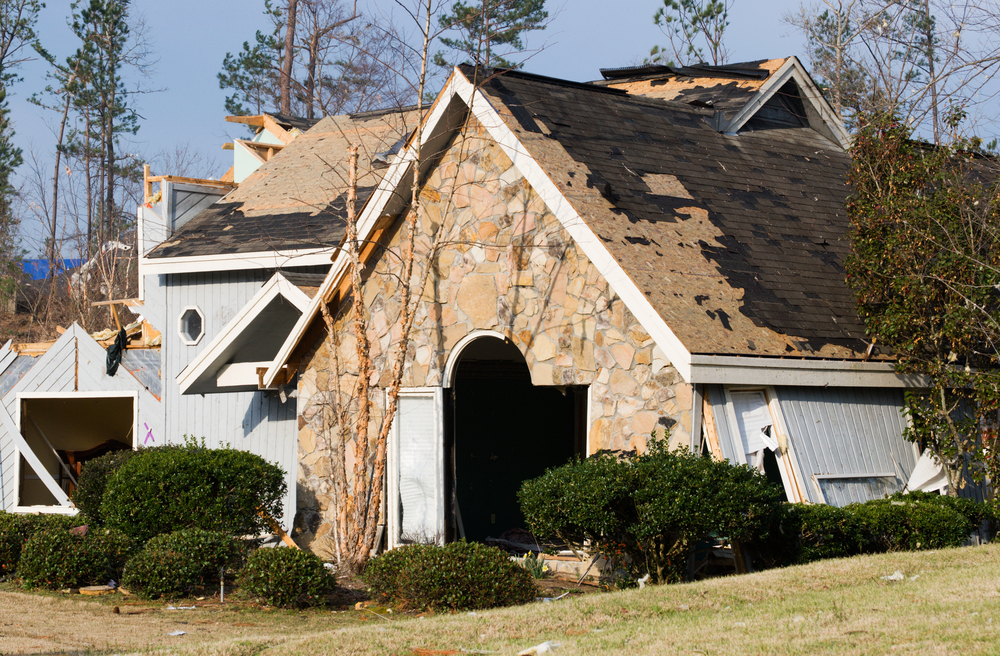
77 verified hail storms with stones of 1.75 inches or larger reached Travis County, which includes Austin, from 1984 to 2025 in the storm records we keep; the largest measured 5 inches (softball size) on May 20, 2011 (NOAA NCEI).
| Hail storms by decade, 1984 to 2025 | 1980s: 8, 1990s: 16, 2000s: 24, 2010s: 13, 2020s: 16 Source: NOAA NCEI |
|---|---|
| Largest hail | 5 in. (softball), May 20, 2011 Source: NOAA NCEI |
| Costliest hail storm | $160 million insured losses (2006 dollars), April 20, 2006 Source: Insurance Journal |
A storm counts when NOAA lists a report in Travis County. Each hail size is the storm's largest report in the seven Austin-area counties, which may have fallen in a neighboring county, and insured losses cover every area the storm hit.
The six main signs of summer roof damage in Austin are shingles that curl, blister or crack; heavy granule loss in the gutters; faded, brittle patches on the sunniest slopes; flashing and pipe boots pulling loose; ceiling stains after a storm; and an attic that stays hot long after sunset. Most of it comes from heat and UV over many summers, sped up by poor attic ventilation, with storm wind and hail adding sudden damage. Anything letting water in is urgent; the rest can be scheduled before the next storm season.
Why Austin summers are hard on roofs
National Weather Service normals for Austin (Camp Mabry, 1991 to 2020) put the average July high at 96.6 degrees and the average July low at 75.0. The record is 110, set in both 2018 and 2022. A dark roof in full sun runs far hotter than the air, and with nights that stay warm, the roof never fully cools. Three things follow:
- Thermal cycling. Materials expand in the afternoon and contract overnight, every day for months. Over years that loosens nails, opens flashing joints and cracks sealant.
- UV aging. Sun breaks down the asphalt binder, so shingles turn brittle and shed the granules that protect them.
- Attic heat. A poorly vented attic cooks the shingles from below and raises cooling bills.
Storms add the sudden damage. The Camp Mabry May records note hail on 16 different calendar dates, and the daily rainfall records top 6 inches in May and 8 inches in July. A downpour like that is when a weak spot becomes a leak.
Six signs to check
| Sign | Where to look | What it usually means |
|---|---|---|
| Curling, cupping or blistering shingles | South and west slopes, from the street | Heat aging, often with poor ventilation |
| Granules piling in gutters or at downspouts | Gutters, splash blocks | Shingles losing their UV protection |
| Faded or bleached patches | Sunniest slopes | Advanced UV wear |
| Lifted flashing or cracked pipe boots | Chimneys, walls, plumbing vents | Thermal movement and dried rubber; common leak source |
| Stains on ceilings or top-floor walls | Inside, after storms | Water is getting in |
| Attic hot at night, damp insulation, daylight through decking | Attic | Ventilation problem or a hidden leak |
After a hail or wind storm, add dented vents and gutters, missing shingles, and broken tile or bent metal panels. Our guide to steps to take after storm damage to an Austin roof covers that case.
What to do about it
- Fix leaks now. Flashing, pipe boots and missing shingles are repairs, and an Austin roof repair costs far less before water reaches the decking.
- Check the attic. Balanced intake and exhaust vents help keep heat from building up under the roof deck and from cooking shingles from below.
- Keep gutters clear. Overflowing gutters soak fascia and decking during summer downpours; our guide to Austin gutter choices covers sizing for heavy rain.
- Plan the next roof for the heat. According to the U.S. Department of Energy, a white or cool-color roof reflects up to 90 percent of sunlight, can cut cooling costs at least 5 to 20 percent, and cool asphalt shingles cost about the same as conventional ones. The DOE also says it is rarely economical to replace a sound roof just for reflectance, so make that choice at replacement time. For what Austin’s energy code actually requires, see cool roofs in Austin. See whether roof color really affects energy bills and Austin’s most popular roof colors.
Austin permit and code points
Inside City of Austin limits, shingle-for-shingle replacement and replacing up to 128 square feet of decking are exempt from a building permit. In the Wildland-Urban Interface area, replacing 50 percent or more of the roof is not exempt; the City’s WUI code requires a Class A roof assembly, and replacing 50 percent or more requires full replacement.
Integrity Roofing and Painting is veteran-owned and family-run since 1990, an Owens Corning Platinum Preferred contractor with 650+ Google reviews and an Austin office on W US Hwy 290. Call (512) 610-5897 or book a free Austin roof inspection; we reach out the same business day.
Sources: NWS Austin/San Antonio, Austin climate records, July and May (normals 1991 to 2020); U.S. DOE, Consumer Guide to Cool Roofs; City of Austin, Work Exempt from Building Permits; City of Austin, Wildland-Urban Interface Code.
