Will Tile Roofing Add Home Value?
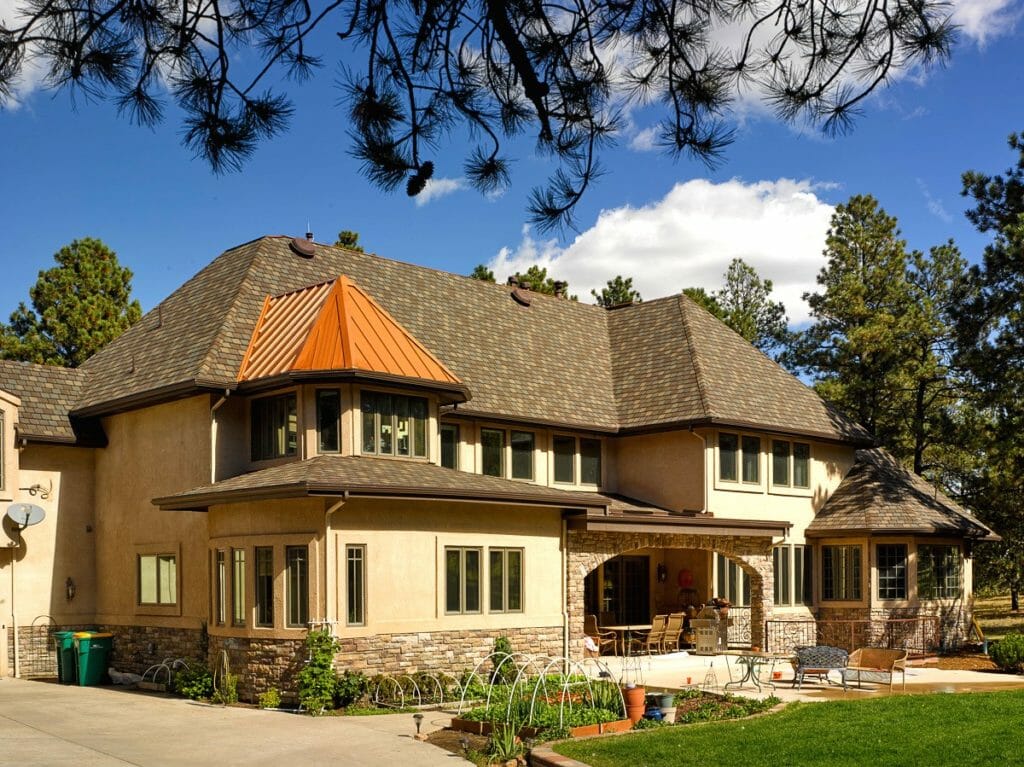
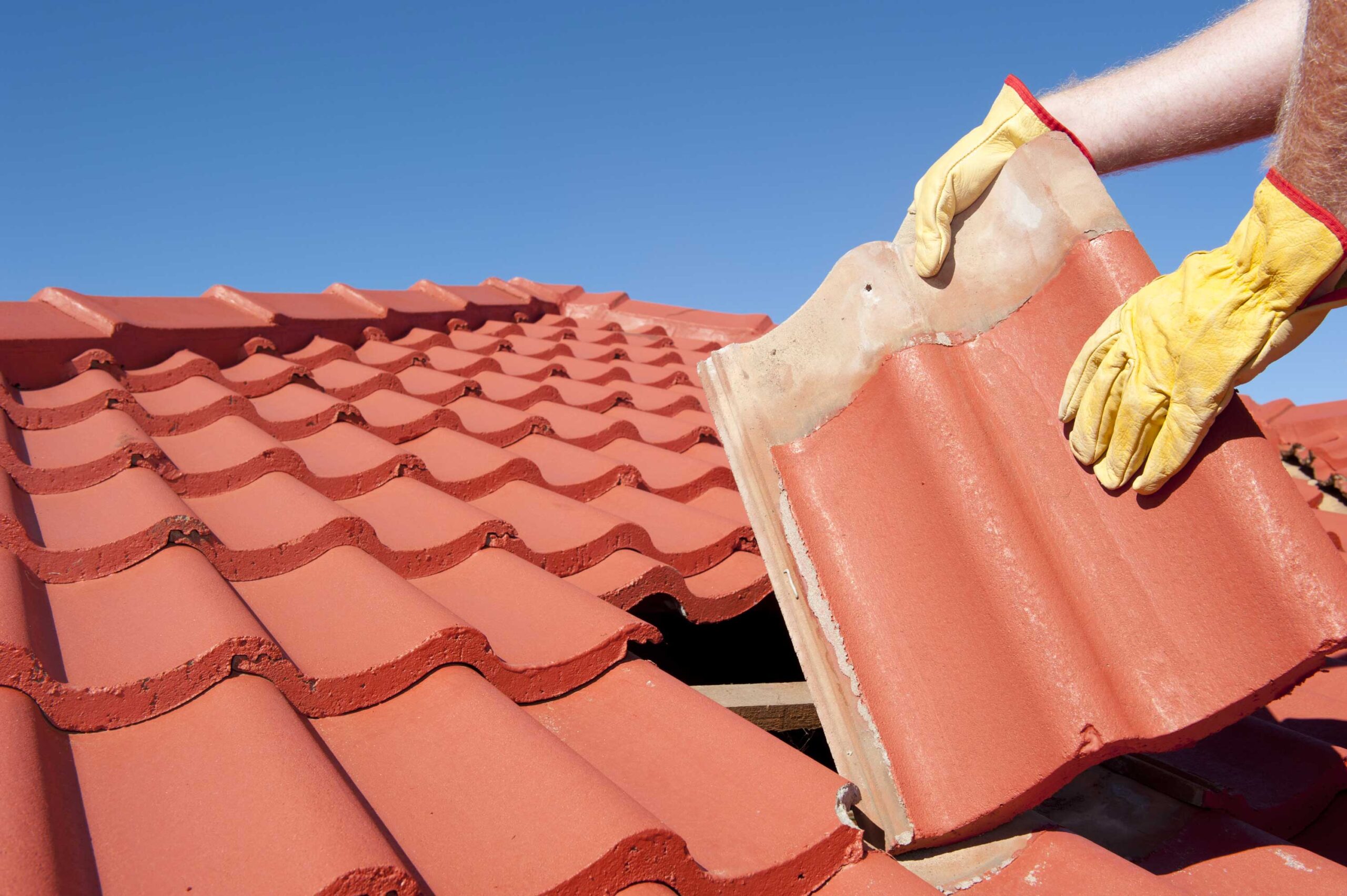
Yes, tile roofing can significantly enhance your home's value. Several factors influence the impact of tile roofing on property value:- Curb Appeal: Tile roofing adds a distinctive charm to your home with its classic and elegant look. Whether you choose clay, concrete, or synthetic tiles, the aesthetic appeal of tile roofing can boost your home's curb appeal, making it more attractive to potential buyers.
- Longevity and Durability: Tile roofs are renowned for their long lifespan, often lasting between 50 to 100 years or more. This durability is a major selling point for buyers who value a low-maintenance, long-term roofing solution. A tile roof’s extended lifespan can be seen as a significant investment in the future, reflecting positively on your property’s overall value.
- Energy Efficiency: Tile roofs are naturally energy-efficient due to their insulating properties. They help regulate indoor temperatures by providing excellent insulation against heat transfer. This energy efficiency can lower utility bills, an attractive feature for environmentally conscious buyers.
- Insurance and Resale Value: Homes with tile roofs often benefit from reduced homeowner's insurance premiums due to the tiles' fire resistance and durability. Additionally, because tile roofing is a premium option, it can potentially increase the resale value of your home, making it a wise investment if you plan to sell in the future.
Additional Benefits of Tile Roofing
Tile roofing offers numerous benefits, making it an excellent choice for Denver homes. Here's why tile roofing stands out:- Exceptional Durability: Tile roofing is known for its incredible strength and resistance to various weather conditions. Tile roofs are highly resilient in Denver's climate, where we experience everything from intense sun to hailstorms. Clay and concrete tiles are impervious to moisture, rot, and insect damage, and they can withstand high winds and hail impacts better than many other roofing materials.
- Low Maintenance: One significant advantage of tile roofing is its low maintenance requirements. Unlike asphalt shingles, which may need frequent repairs or replacements, tile roofs require minimal upkeep. Routine inspections and occasional cleaning are generally sufficient to keep a tile roof in excellent condition.
- Energy Efficiency: Tile roofs have excellent insulating properties. The natural air cavity between the tiles and the roof deck acts as a barrier against heat transfer. This helps keep your home cooler in the summer and warmer in the winter, reducing the need for excessive heating and cooling and lowering your energy bills.
- Fire Resistance: Tile roofing is inherently fire-resistant, particularly when compared to wood or asphalt shingles. This added protection is beneficial in fire-prone areas and can contribute to lower insurance premiums.
- Aesthetic Variety: Tile roofing comes in various styles, colors, and materials, allowing homeowners to choose a design that complements their home's architectural style. Whether you prefer the traditional look of clay tiles or the modern appearance of synthetic tiles, there's a tile option to match your aesthetic preferences.
Considerations for Denver Residents
- Installation and Cost: Tile roofing can be more expensive than other roofing options like asphalt shingles. The initial investment may be higher, but the long-term benefits often outweigh the upfront cost. Additionally, proper installation by experienced professionals is crucial to ensure the roof’s longevity and performance.
- Weight Considerations: Tile roofs are heavier than many other roofing materials. Before installing a tile roof, it’s essential to ensure that your home’s structure can support the additional weight. A professional roofing contractor can assess your home’s suitability for tile roofing and make any necessary structural adjustments.
- Roof Maintenance: While tile roofs are low maintenance, regular inspections are still important to address any potential issues promptly. Look out for damaged or missing tiles, and ensure valleys and flashings are clear of debris to prevent leaks.
- Local Climate Adaptations: Denver's climate, with its varying temperatures and weather conditions, can affect tile roofing. Choosing high-quality, weather-resistant tiles and working with a contractor who understands the local climate will ensure your tile roof performs optimally throughout the year.