
Key numbers
103 verified hail storms with stones of 1.5 inches or larger reached El Paso County, which includes Colorado Springs, from 2000 to 2025 in the storm records we keep; the largest measured 4.5 inches (softball size) on July 13, 2011 (NOAA NCEI).
| Hail storms by decade, 2000 to 2025 | 2000s: 35, 2010s: 44, 2020s: 24 Source: Storm library: El Paso County hail history |
|---|---|
| Largest hail | 4.5 in. (softball), July 13, 2011 Source: NOAA NCEI |
| Costliest hail storm | $352.8 million insured losses (2016 dollars), July 28, 2016 Source: RMIIA |
| 565 | NOAA's Storm Events Database logged 565 hail reports in Colorado in 2019, including 54 of 2 inches or larger. Source: NOAA National Centers for Environmental Information (NCEI), 2019 |
| 57% | 57% of homes in hail states have roofs nine years old or newer, compared with 38% in non-hail states, a sign of frequent hail-driven replacement. Source: Insurance Journal (reporting Verisk), 2025 |
| Over $10 billion | IBHS said in 2019 that hail losses have grown to over $10 billion annually. Source: Insurance Institute for Business & Home Safety (IBHS), 2019 |
A storm counts when the library lists El Paso County among the areas it hit. Each hail size is the storm's largest report, which may have fallen in a neighboring county, and insured losses cover every area the storm hit.
If a storm damages your roof in Colorado Springs, do four things in this order: make the house safe and stop water coming in, photograph the damage from the ground, get a roofer to inspect and document the roof, and only then decide whether to file an insurance claim. Small repairs under 100 square feet do not need a Pikes Peak Regional Building Department (PPRBD) permit; anything larger does, and it must be pulled by a licensed contractor.
Step 1: Make it safe and stop the water
- Stay off a wet, icy or steep roof. Hail and wind damage can wait a few hours; a fall cannot be undone.
- Put buckets under drips, move valuables and electronics, and keep people out from under any ceiling that is sagging with water.
- If you lost power or see damage at the electrical service mast on the roof, call the utility. PPRBD requires a permit for repairs to the electrical service, and for an emergency repair that permit must be issued within 72 hours of the incident.
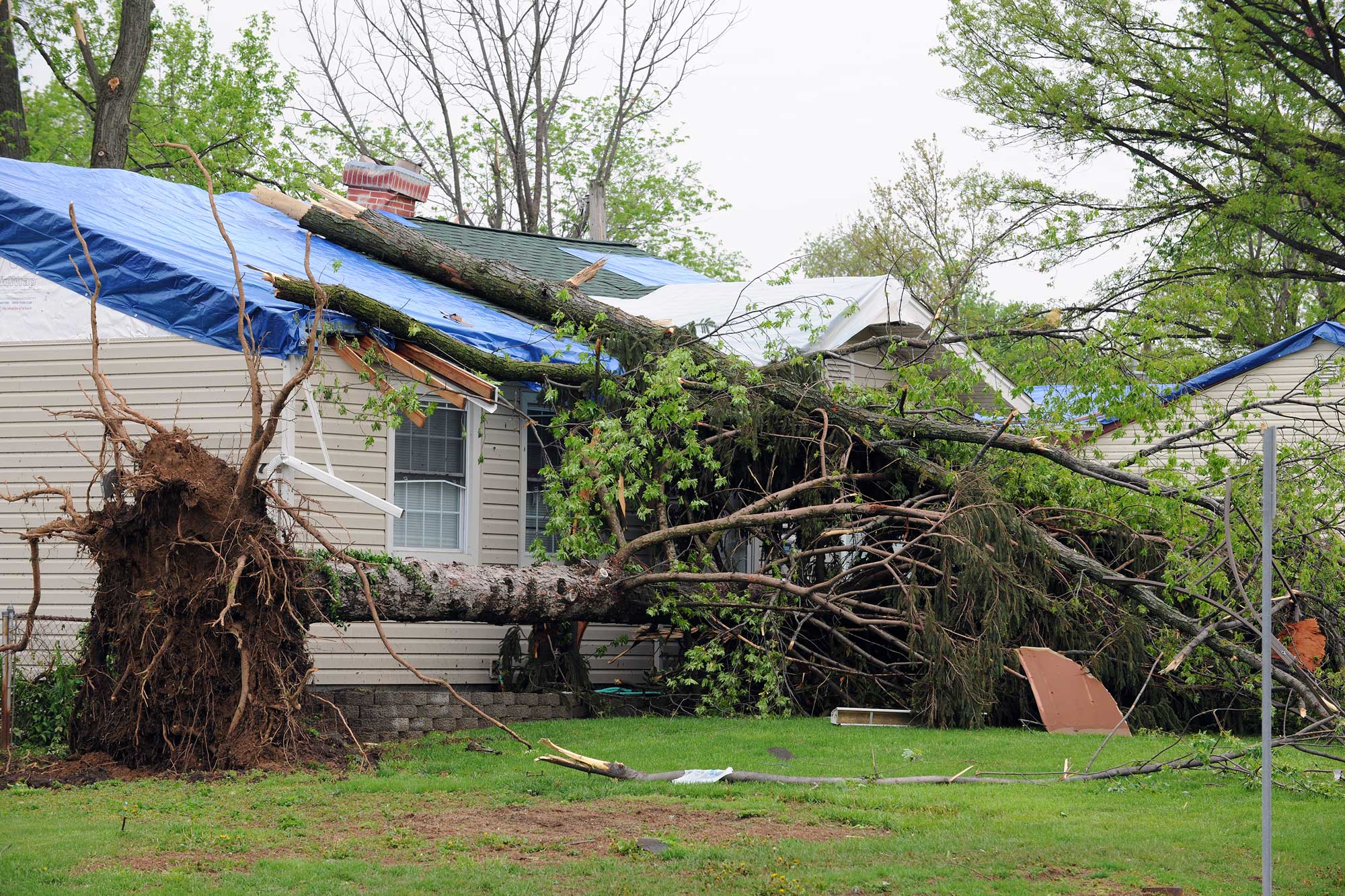
- If a tree or debris hit the house, keep people out of those rooms. Structural damage needs a licensed design professional to assess it.
Step 2: Document before anything changes
Take dated photos and short videos of every side of the house before cleanup: shingles in the yard, dented gutters and downspouts, torn window screens, chipped paint, interior stains. Write down the date and time of the storm. Save receipts for tarps, buckets or a hotel. The Colorado Division of Insurance tells homeowners to limit further damage after a storm, and those receipts show you did.
Step 3: Get the roof inspected
A free inspection from a local roofer tells you what actually happened up there. We photograph each hit or lifted shingle, check vents, flashing and gutters, and tell you plainly whether it is storm damage, wear, or nothing at all. If water is coming in, we can cover the opening first; see emergency roof repair.
Step 4: Decide about the claim
If the damage is real and likely to exceed your deductible, call your insurer and ask for the adjuster’s name and direct number. If it is minor, a direct repair may cost less than a claim. Our guide on whether to call your insurer or a roofer first walks through that choice. Either way, the claim stays yours; our documentation makes sure nothing gets missed in the scope. If the insurer later goes quiet on a supplement, see what to do when a hail claim stalls.
Step 5: Hire carefully and permit the work
Storm weeks bring out-of-town crews. Use the 7-point checklist for choosing a hail roofer, confirm the PPRBD license, and make sure the permit is in the contractor’s name. PPRBD permits are valid 180 days and can be extended once for 180 more at no fee, so a delayed claim does not have to mean a lapsed permit.
Storm damage by type
- Hail: bruised or cracked shingles, granule loss, dented metal. See hail damage repair and whether your roof is especially exposed to hail.
- Wind: creased, lifted or missing shingles, usually along edges and ridges. See wind damage repair and how to get a roof ready for spring wind.
- Snow and ice: ice dams and leaks at the eaves. See snow and ice damage, and whether a winter roof replacement makes sense.
Integrity Roofing and Painting is veteran-owned and family-run since 1990, an Owens Corning Platinum Preferred contractor with 650+ Google reviews. Call (719) 488-2800 or book a free inspection; we reach out the same business day.
Sources: PPRBD, Wind Damage Information (7/12/2024); PPRBD, Hail & Disaster Information; PPRBD Reroofing Guidelines (rev. 03/05/2024); Colorado Division of Insurance, hail consumer advisory (May 22, 2024).
Photos From Our Projects

